

First of all, No. This has nothing to do with the conspiracy theory bearing the same letter as a name. During studies of Christian origins, one is very quickly guaranteed to run into the term Q-source quite often when discussing the synoptic gospels. Q stands for “Quelle”, the German word for “source.” It is a very scholarly concept that has evolved after meticulous study of the oldest manuscripts and sources that are known to us as a theory as to how the synoptic Gospels are so……..synoptic.
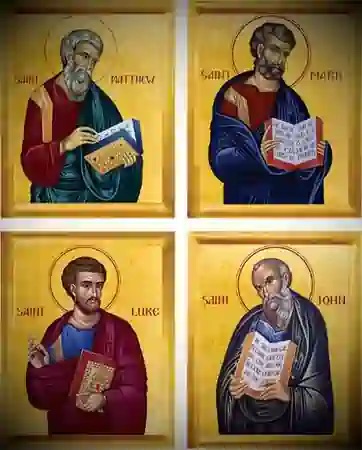
Contrary to popular belief, the Gospels weren’t all written by disciples at the same time as the events occurred. They were actually written by separate people at separate times. The gospels were written after the widely circulated letters of Paul and one can see his influence all over them. The earliest gospel, Mark, was written some thirty to forty-five years after the death of Jesus and the final synoptic gospel, Luke / Acts was written between sixty and seventy years after the crucifixion. (Still later was John thought to be no earlier than 95 CE but not ever included in these sorts of studies.)

As the first to be published, Mark is the biggest source of material for Matthew and Luke/Acts. According to Papias of Hieropolis(Click link for previous post on Papias), Mark was written by John Mark, companion of Peter. Mark was composed from the memories of the sermons of Peter, having heard them all dozens of times. John Mark was later a companion of Paul. Thus his book contains the message of Peter with a healthy dose of the philosophy of Paul.
The Jesus in Mark is a rather different character than the one found in Matthew or Luke. Jesus is very cryptic with his message preferring only those who seek deeper to find it. When it comes to the disciples, he seems almost frustrated at their intellectual limitations as he admonishes them often. One may even almost describe Mark’s Jesus as a bit snippy! Most notably, It is devoid of two of the most defining moments of the Jesus story: the virgin birth and the resurrection. We can then conclude that Peter was not preaching these events at that time.
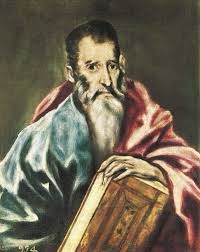
Mark was distributed along with the letters of Paul (the seven real ones that is) throughout the fledgling Jesus movement sect within the larger Jewish community. Each group of Christians may have had a copy of one of the letters or maybe even a copy of Mark but much of their material was coming from the local people who were witness to the events. Eventually, Mark was re-edited and padded with the material known to the local community. Matthew and Luke came into existence in this way.
The second and third gospels have much in common. We can clearly see a “spine” of Mark along with some local flavor. Matthew for example, was a very Jewish reading and edit of Mark. It is here that the mystery starts. Both Matthew and Luke contain identical information that is not found at all in Mark. We wouldn’t expect the local traditions to differ so much as to include entire chunks of Jesus’ ministry that would not also have been known by Mark. So what does this mean? There must be another source! Q
The Q material shows up largely as a collection of the sayings of Jesus. Nowadays, it would be bound in paperback entitled “Stuff Jesus Said-a comprehensive collection of quotes from the Nazarene.” To us, this material is everything that would later be printed with red ink. Just direct quotes that only the deacon reads at Mass.
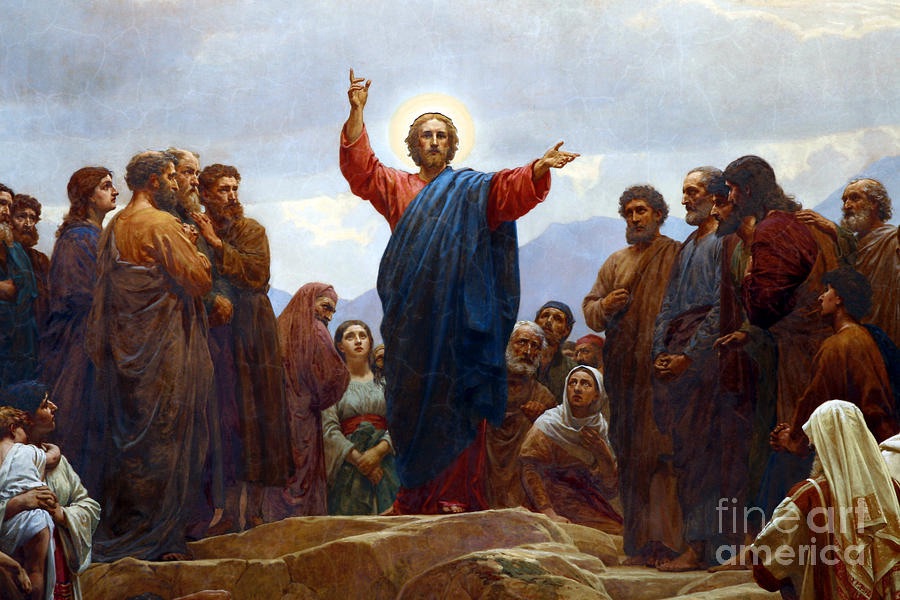
\We see these quotes being integrated into stories that best display their meanings. In Matthew, we have the sermon on the mount and the in Luke the sermon on the plain. Both contain the exact same teachings. Likely, neither are historical events. Given the nature of Q, the authors found a “vehicle” in which to effectively relay the quotes. A sermon would be a far better method of relaying all these brief teachings rather than writing an entire story for each of them. Or even worse, having him randomly spouting them off as he wandered the Galilee.
The people of the day had full access to rabbis, theologians etc. They weren’t seeking treatises on a particular theme relayed by a teacher. They wanted to hear what their teacher said. We have another example of this in the Gospel of Thomas; another collection of Jesus quotes. It is dated to the time of the writing of Mark but with the book itself being second-century. Even now we have the need to hear things “from the horse’s mouth” rather than someone’s take on it. I would imagine this is amplified tremendously when the subject is believed to be healing people and performing impossible miracles. It lends itself well to the oral tradition as everyone can remember particular things that they hear said. The collection of these remembered sayings seems to have been a popular means to immortalize the words of the people they held in esteem. The gospel of Thomas has been proposed as being “Q” but is widely believed to be almost a century too late. I guess they could be said to be “Doubting Thomas……”
“Q” serves as a tremendous reminder of just how little we truly understand the genesis of this movement-turned-religion. What is so exciting to me is the fact that this clue, this evidence shows up in the materials we have had for millennia and thought that we knew so well. It is a great reminder to look deeper during you bible studies. Read about the scripture itself and contemplate how the author could possibly impact the message itself. A truly thorough knowledge of the scriptures can only serve to strengthen you appreciation of the faith. The religion will continue to evolve guided by man but the truth at its core never changes.


Leave a Reply