
The scene of Jesus overturning the tables of the Temple money-changers is one of the most iconic of the New Testament. While his righteous wrath at the desecration of the Temple seems to be in line with what we know about Jesus, just about everything else in the story seems very odd. In this entry, we will take a closer critical look in order to understand what really may have occurred.
The Chief Priest of the Temple as well as his colleague temple-priests are portrayed as villains in the gospels. Known as the Saducees, they are shown to be corrupt abusers of power ; using the access to the temple to extort the faithful. The second largest of the sects of Judaism at the time, they were primarily composed of the so-called “1 %”; the elite of Jewish society. Rome allowed them to remain in control of the Temple and as such were the means to retaining their power. Thus they had a vested interest in keeping the Romans happy through exerting priestly control over the general populace. The region had long been a hotbed of political upheaval and strife so they used power of the house of God to keep order and maintain the status quo. Saducees also made up a very large part of the Sanhedrin; similar to a Supreme Court for the Jewish Nation. They did not tolerate dissent well and were known to be harsh in their treatment of the masses. Why then did all of the nation insist on pilgrimage to this quite corrupt location rather than celebrating the Passover at home?

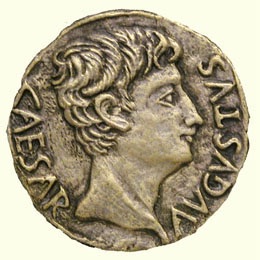
Jewish Law required sacrifices be made at the temple at various points during a follower’s life. There were sacrificial offerings meant to cleanse one from what the catholics would call “original” sin, offerings of thanksgiving for various events, sacrifices for healing. There were also ritual sacrifices to mark holidays. Priests at the temple were offering sacrifices twice daily on behalf of the community. Sacrifice was a key point in the spiritual life of the first century Jew being 100 of the 613 commandments in the Torah with a further 50 concerning the priests actions during sacrifices.. Passover was one of the key times for offering sacrifice at the Temple.
Given the importance of sacrifice to the temple, the obtaining of the proper coinage was also of great importance. Despite the common belief often taught in Sunday School, only Roman coinage was accepted. Roman coins were of known purity and reliable weight; the same couldn’t be said for the dozens of other coins coming from all ends of the known world. For this purpose, there were money exchangers permitted to operate in the periphery. These were not alitruistic temple servants; they were there to make a profit. Unlike today, there was not an international market from which to refer when it comes to currency. Today in Jerusalem, one can visit a money changer and compare their rates to what the currency value on the world market and make an informed decision as to utilizing their services. The exchangers of the temple would set their own rates often colluding with eachother in an early example of “price-fixing” in order to fleece the pilgrims who had no choice but to accept. I would imagine it would be like if the Catholic church of today requiring the Eucharist for salvation and allowing the wine and bread to be sold by a third party in the foyer for an insane amount. Not a perfect example but it will do..
Of course, nothing happens in the temple without the knowledge and consent of the Saduccees; the stewards of the temple. A cut of the profits would be handed up to the high priest as well as the other Saduccees, giving them a nice income stream. Passover represented a windfall for everyone involved in temple business as it was the peak time for pilgrimage with daily incomes rising exponentially during the festival. Because of this, there were no shenanigans tolerated; extra temple-guards would be posted everywhere. There would have also been extra Roman guards as well to keep an eye on things lest any unrest develop into a flashpoint or rebellion. Both had a vested interested in the status quo and smooth operation with quick removal of any hooligans who would seek to disrupt the commerce of the temple.
The situation is (sadly) not to dissimilar to that which exists today on the exact same site; Temple Mount. It is an extremely important site to both of the religious groups as well as the civil governments of the region and as such, is heavily guarded by all interested parties with overwatch done by the major military party of the area; The State of Israel/. The tensions between the Arab population and Israelis is so tense that even the smallest offense could quickly spiral into a all out riot or battle, To prevent this at all costs, the authorities do not permit even the smallest offense to occur that may have even the smallest chance of escalating. Now, combine vast amounts of income being made by the administrators of the site to such a tense situation and one begins to get the idea of what the climate was like for Jesus’ upcoming encounters with the money-changers. (Note: only the tensions and intolerance for shenanigans are similar. The political situation is VERY different.)
Mark details Jesus’ last visit to the temple:
“On reaching Jerusalem, Jesus entered the temple courts and began driving out those who were buying and selling there. He overturned the tables of the money changers and the benches of those selling doves, and would not allow anyone to carry merchandise through the temple courts. And as he taught them, he said, “Is it not written: ‘My house will be called a house of prayer for all nations’? But you have made it ‘a den of robbers.’”
-Mark 11:15-17
The account in Mark paints a very intense picture. Jesus goes into the center of Jewish government; the center of the Jewish world and shuts down all of the vital commerce. Scholars such as Dr. James Tabor (UNC Charlotte Retired) say that Jesus and company shut down the commerce area for the day.
One could compare it to modern protests in which popular crowded places are shut down / occupied by some manner of protest. At first, many may be tolerant or even supportive until it interferes with their plans. Soon it starts to anger all of the patrons being deprived of the use of the area and the tension rises. One needs only to search YouTube for videos of protestors blocking a busy roadway; at some point, someone emerges and starts dragging people away as they are being prevented from conducting their own business. It would’ve been exactly the same during Jesus’ incident with a couple of differences; 1) he was interrupting a religious necessity which would’ve earned much more scorn than those who were simply made to be late to work and 2) the presence of two species of heavily armed and heavy handed guards (Temple Guards and Roman Soldiers) being well staffed in the area to prevent such an outburst. Given that this was such a sensitive area, Jesus was quickly subdued and arrested, right? Well, no. He was not.
There was an unexpected response from the powerful enforcement authorities as well as the public; they did NOTHING. That’s right, the heavy-handed oppressive security forces of both Rome as well as the Temple guards seemingly looked the other way and permitted it to continue. Of the four accounts of the event described in the gospels, none of them mention any action by the concerned authorities. This poses a very large question; what could have been the reason they allowed this to occur?
The answer may lie in an unexpected direction. Just as today, the authorities at the temple site simply could not allow any disturbance to spiral out of control into a full-fledged riot which could easily lead to a revolutionary behavior. Jesus behaving in such a manner not only hurt their bottom-line, it undermined their authority over the masses as well as their ability to keep order. There must have been a strategic element that stayed their hands. Many have theorized that may have been Herod Antipas and Pontius Pilatus themselves.
Only an order from “the top” could’ve stopped the Temple High Priest and the Soldiers from enforcing order and risking a revolutionary riot. Why would they do this? It would have been done in order to further the aspirations of several powerful men; Herod Antipas, Pontius Pilate and We will explore this theory more in the articles to follow.
 The Incredible Jesus
Leave a comment