

By Tmaxx : Apple Pencil on Apple iPad screen..
The name “Mary” occurs quite often in the story of Jesus. Whether “Maria”, “Mariam” or “Mariamne”, the new testament is loaded with them. In fact, did you know that the gospel of John lists the women who were present at Jesus’ crucifixion and that all three of them were named MARY? That is exteremly odd and warrants some examination. Let’s first look at the text;
Near the cross of Jesus stood his mother, his mother’s sister, Mary the wife of Clopas, and Mary Magdalene. 26 When Jesus saw his mother there, and the disciple whom he loved standing nearby, he said to her, “Woman,[a] here is your son,” 27 and to the disciple, “Here is your mother.” From that time on, this disciple took her into his home. –John 19:25-27
Two of the Marys (Maries?? What is the plural of “Mary”? I’ll use “Marys”) are easy to identify. The first is Mary the mother of Jesus; easily the most well-known Mary in the history of the world. The third is Mary Magdalene. We all know who she is. Depending on who you ask, she is either a zealous convert to the movement or the “companion” (ahem….) of Jesus. Either way, she played a principle role in the movement helping to fund and propogate the ministry. So who is Mary 2? Who is Clopas?
Clopas is traditionally known to be Joseph’s brother. Joseph of course is the man who married the already pregnant Mary 1 and raised little baby Jesus as his own. Clopas ALSO married a Mary. What is even more odd is that both Mary 1 and Mary 2 gave birth to three sons: James, Joses and Simon….in that exact order. So are we to believe that brothers Joseph and Clopas both named Mary and had kids all with the same name, born in the same order? Well, yes; we are meant to believe that. Should we? Probably not.
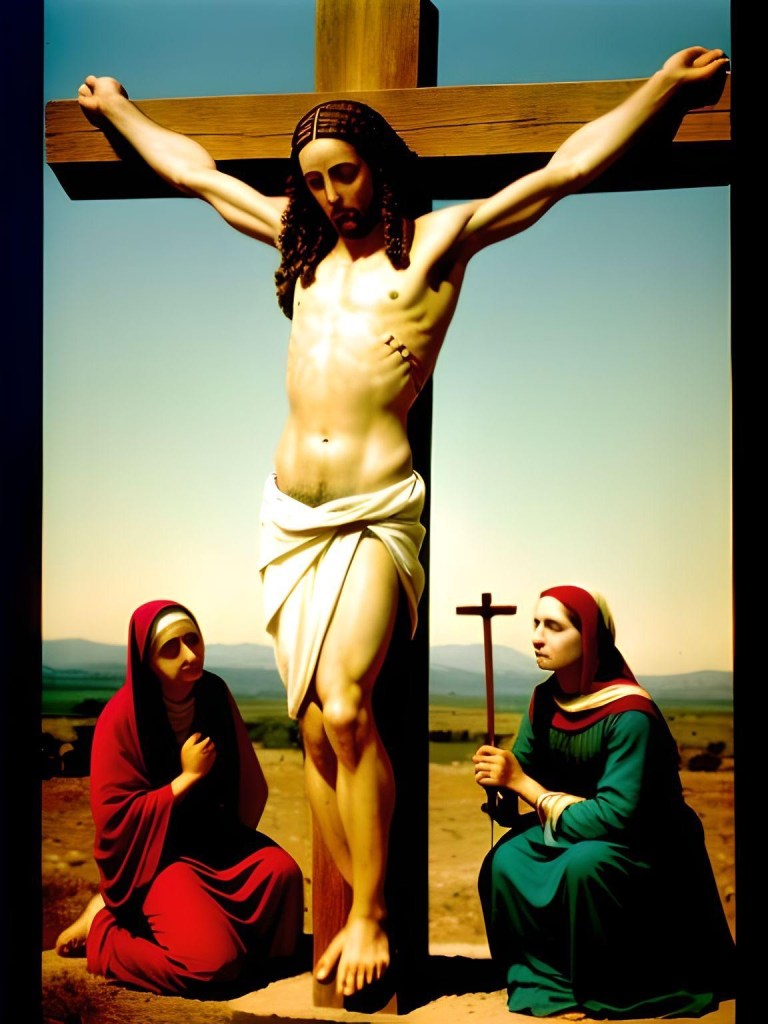
Jesus’ father Joseph doesn’t appear very often in the gospels. He is mentioned in the beginning of the nativity accounts and later only fleetingly in order to identify Jesus. (Jesus son of Joseph.) Why is this? After all, Joseph demonstrated true love and compassion by not casting Mary 1 out once her pregnancy was revealed and endured years of back-biting about the legitimacy of his son. In such a patriarchal society, we would expect him to be more present in the narrative. Instead, we dont see him mentioned at all.
At age twelve when young J.C. disappeared during a trip to Jerusalem and was found in the temple with the teachers, it would appear as though both Mary and Joseph were present.
After the festival was over, while his parents were returning home, the boy Jesus stayed behind in Jerusalem, but they were unaware of it. -Luke 2:43
After that though, it is a mystery. It would appear that by the time his ministry had commenced, at age thirty, Joseph had died. We think so because John 2:12 speaks of Jesus, his mother, brother and disciples going to stay in Capernaum. Jesus was clearly the head of his household by this point.
OK, so Joe is dead. What does this have to do with Clopas? Well, Joseph may not have had any natural offspring. Under Jewish law, if a married man dies without ever spawning an heir, it is the responsibility of the oldest un-married brother to take his deceased brother’s widow, marry her and have a son. This was done to be sure that the family name continued forth.
So, Mary 1 married Clopas too? Actually, this would answer a few questions that have always surrounded the divine family. Mary would have had James, Joses and Simon with Clopas. They werent cousins or Joe’s kids from a previous marriage but half-brothers! Given that Joe and Clopas were quite a bit older than Mary, they were both dead before Jesus began his ministry. By modern standards, this probably wouldnt be too much of a big deal. Certainly not big enough to invent an identical Mary in order to explain the presence of the siblings. So why is she there?
Jesus’ life was always lived under the black cloud of illegitimacy. The first gospel, Mark, avoids the issue all together and begins at his baptism in the latter part of his life. Matthew and Luke have included the Nativity narrative in order to acknowledge his technical illegitamacy but give it a “good excuse;” God made it so. Given the patriarchal nature of first-century Judaism, it was an issue that Jesus would have heard and dealt with his whole short life. We can tell that it remained a pressing issue in the early ministry after his death as it is one of the most obvious topics that is “touched up” with each gospel written to answer concerns that were circulating in the public, possibly even filling in gaps left by the most recent gospel to be released.

You are doing the works of your own father.” “We are not illegitimate children,**” they protested.” **also written as: “Children of Fornication” –John 8:41
“Jesus said: ‘He who knows father and mother will be called the son of a harlot.’”-Gospel of Thomas v105
The Jerusalem Talmud contains several references to the fact that he is illegitimate; even going so far as to name the man thought to have impregnating Mary 1! The Jewish law was very clear, it didn’t matter who the father was, he was illegitimate and banned from marrying into the tribe etc; even if the father was God.
By the time of the writings of the gospels, the stain of illegitimacy had caught up to the tales of his ministry and needed to be managed. By the time John was written, they felt that Mary 1 having two husbands and one baby-daddy (God or otherwise) was a bit too much for their un-saved brethren and invented Mary 2 to help shoulder the burden of up to seven children.
Personally, the knowledge of the truth of Mary 1 makes the account of Jesus entrusting his mother into the care of the beloved disciple (James the next brother……stay tuned) so much more touching and poignant. All his life he watched his mother endure the snyde comments and jeers from the women in the village for his sake. He watched his father work hard, teach him a trade and endure the comments from the other men out of pure love. His father passes and his uncle does his duty under the law and the comments start again. The Clopas dies. Jesus now takes care of his mother while hearing all the hateful things others have to say about her. Surely, as he was being abused on his way to golgotha, he heard many a comment about his status. When dying in severe pain on the cross, he continues caring for her and protecting her by ensuring that she would be looked after.
In my opinion the opposition to this and other (possible) historical findings is absolutely unwarranted. Over the past nearly two milenita, we have seen the leaders of the various churches make declarations about history based on their own theology rather than historical evidence. This is not necessary. Jesus’ mother living the exact life that any other Jewish woman in her situation would’ve lived has nothing whatsoever to do with Jesus’ status at the Messiah. Much of the opposition comes from a place of nostalgia and tradition rather than facts. This needs to be overcome if we are to, as the hymn says, “know Jesus.” Ok, rant over.
Until next time! -Tmaxx

 The Incredible Jesus
Leave a comment